
If you’re facing a dental crown procedure, you’ve probably asked yourself: Does getting a crown hurt? It’s a completely normal question, and honestly, one that our patients bring up all the time. The good news? Modern dentistry has come a long way, and the process is far more comfortable than you might think. At our practice, Dr. Melanie Emerson and Dr. Meredith Turbeville prioritize your comfort every step of the way, using advanced techniques to minimize discomfort.
Let’s break down what happens during the crown process and what you can realistically expect regarding pain or discomfort.
Understanding the Crown Procedure
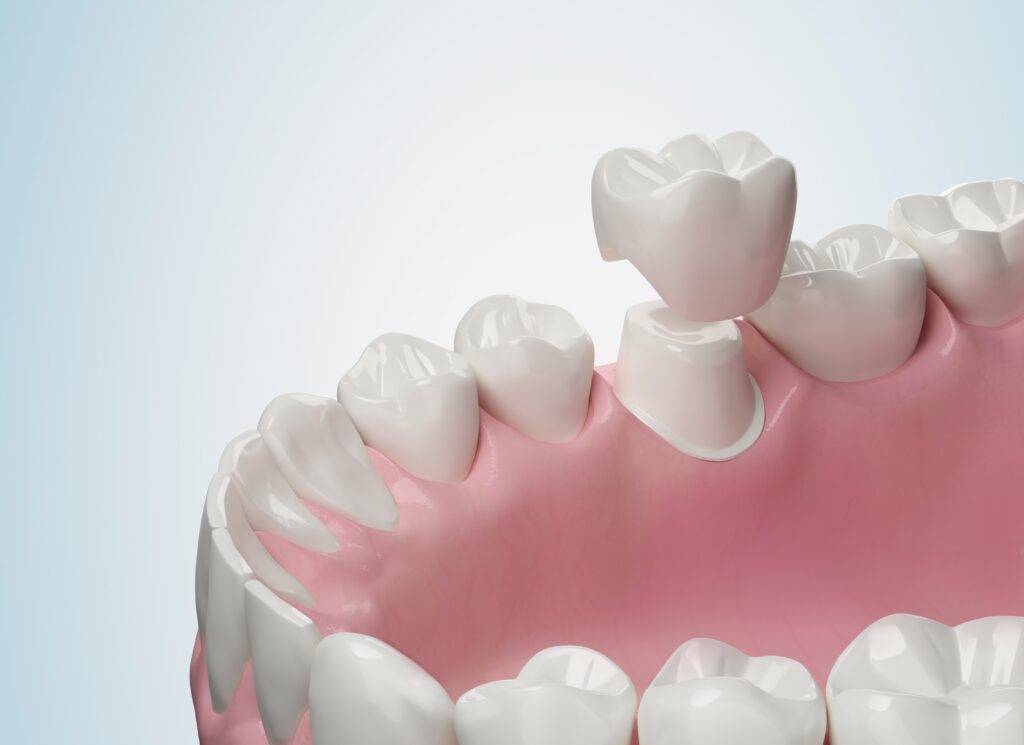
Before we discuss pain levels, it’s helpful to understand what’s actually happening during crown placement. A dental crown is a protective cap covering a damaged, weakened, or severely decayed tooth. The dentist prepares the tooth by reshaping it slightly, then places a custom-made crown over the top to restore its strength, function, and appearance.
The actual preparation process involves numbing the area with local anesthesia. This means you shouldn’t feel pain during the procedure—maybe some pressure or vibration from the dental tools, but not sharp pain. Most patients describe the sensation as weird rather than painful. You’re awake and aware, but the treatment area stays completely numb.
What Does the Numbing Process Feel Like?
The anesthesia injection might cause a quick pinch, similar to any other shot you’ve gotten at the doctor’s office. Some people barely notice it, while others find it momentarily uncomfortable. Many dental offices now use topical numbing gel before the injection, which dulls the initial poke even more.
Once the anesthesia kicks in—usually within a few minutes—your tooth and the surrounding gum tissue go completely numb. This numbness lasts throughout the entire procedure, typically taking one to two hours for a traditional crown. With same-day dental crowns, you can complete everything in a single visit, which many patients prefer.
Does Getting a Crown Hurt Afterward?
Here’s where most people experience some mild discomfort. After the anesthesia wears off, you might notice sensitivity around the treated tooth. This usually feels like a dull ache or tenderness when you bite down. Think of it as similar to the soreness you’d feel after a workout—your body just went through something and needs a little recovery time.
Common post-procedure sensations include:
- Mild soreness in the gum tissue around the crown
- Sensitivity to hot or cold temperatures
- Slight discomfort when chewing on that side
- Jaw tenderness from keeping your mouth open during the procedure
These symptoms typically fade within a few days to a week. Over-the-counter pain relievers like ibuprofen usually handle any discomfort just fine.
Managing Pain and Discomfort
Restorative dentistry has evolved significantly, and dentists have numerous ways to keep patients comfortable. Beyond standard numbing, many practices offer additional comfort options like nitrous oxide (laughing gas) or oral sedation for anxious patients.
If you experience sensitivity after crown placement, stick to softer foods for the first day or two. Avoid extremely hot or cold beverages, and chew on the opposite side of your mouth when possible. Rinsing with warm salt water can soothe any gum irritation.
Most importantly, communicate with your dental team. Dr. Melanie Emerson and Dr. Meredith Turbeville want to hear about your concerns before, during, or after your procedure. They can adjust their approach based on your specific needs and comfort level.
When Does Getting a Crown Hurt More Than Expected?
In rare cases, patients experience more significant discomfort. This might happen if:
- The tooth has underlying nerve damage or infection
- The bite alignment needs adjustment after crown placement
- You have an allergic reaction to materials (extremely uncommon)
- An infection develops post-procedure
If your pain intensifies after a few days instead of improving, or if you develop a fever or swelling, contact your dentist right away. These symptoms indicate a complication that needs attention.
The Bottom Line on Crown Discomfort
So, does getting a crown hurt? No, the numbing medication takes care of that during the procedure itself. Afterward, you’ll likely experience some minor soreness, but nothing unbearable. Most patients report that the anticipation and anxiety about the procedure felt worse than the experience.
The team works hard to create a relaxed, supportive environment where you feel heard and cared for. Dental crowns restore damaged teeth and prevent further problems, making them worth any temporary discomfort you might experience.
Ready to Take the Next Step?
If you need a dental crown or want to discuss your options, don’t let fear of pain hold you back. Modern techniques make the process smoother and more comfortable than ever. New patients receive thorough explanations of what to expect, and the team answers all your questions with patience and clarity.Reach out today to schedule a consultation or visit our office in Midwest City. You’ll discover that getting a crown doesn’t have to be the scary experience you might have imagined—it’s simply one step toward a healthier, more confident smile.